Let’s be honest—sleep can be elusive. You know the feeling. Tossing, turning, watching the clock tick toward morning while your mind races. Maybe you fall asleep easily but wake up at 3 a.m., wired. Or perhaps you simply never feel truly rested. If this sounds familiar, you’re far from alone. And while there’s no magic cure, a consistent, gentle yoga practice might just be the missing piece in your quest for deep, restorative sleep.
Here’s the deal: yoga doesn’t just tire you out. It works on multiple levels—calming the nervous system, releasing physical tension, and training the mind to let go. It’s like hitting a reset button for your entire being. So, let’s dive into some practical, effective yoga for sleep strategies you can start tonight.
Why Yoga Works for Sleep Disorders and Insomnia
Think of your nervous system as having two main gears: “go” (sympathetic) and “rest” (parasympathetic). Chronic stress, anxiety, and our always-on lifestyle keep us stuck in “go.” Yoga, particularly certain styles and poses, acts as a manual shifter, guiding the body back into “rest and digest” mode. It’s not just speculation; studies show yoga can increase melatonin production and significantly improve sleep efficiency.
Honestly, the beauty is in its holistic approach. It addresses the physical aches that keep you up, the breath that’s become shallow from daily stress, and the mental chatter that just won’t quit. It’s a full-system upgrade for your sleep architecture.
Key Yoga Poses for Better Sleep (A Simple Pre-Bed Sequence)
You don’t need a 60-minute power flow. In fact, for sleep, less is more. A short 10-15 minute sequence of restorative yoga poses for insomnia is ideal. Hold each pose for 1-3 minutes, focusing on slow, deep belly breathing. Use pillows, bolsters, and blankets—props are your best friends here, not a sign of weakness. They allow your body to fully surrender.
1. Legs-Up-the-Wall Pose (Viparita Karani)
This is a classic for a reason. It’s profoundly calming. It reverses blood flow, soothes tired legs, and gently stretches the back of the body. Place a folded blanket under your hips for support—it makes all the difference. Feel the weight of your legs drain downward. This pose is a direct signal to your nervous system that it’s safe to unwind.
2. Reclining Bound Angle Pose (Supta Baddha Konasana)
Lie on your back, soles of your feet together, knees falling open. Support each knee with a pillow or block. This opens the hips and chest, areas where we store a lot of emotional and physical stress. Your breath naturally deepens here. It’s a pose of surrender, literally opening the heart.
3. Seated Forward Fold (Paschimottanasana)
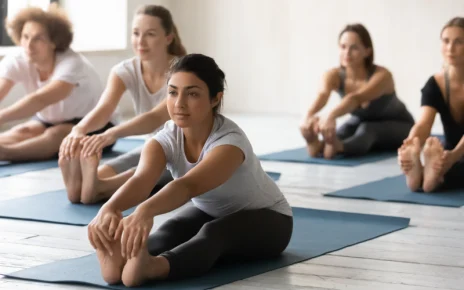
But do it gently. Sit with legs extended, and fold forward over a bolster stacked on your thighs. Don’t force it. The goal is a gentle release in the hamstrings and lower back—two common tension hotspots. This forward-folding action is inherently introspective and calming.
4. Child’s Pose (Balasana)
A timeless sanctuary. Kneel and fold forward, resting your forehead on the floor or a cushion. Arms can be extended or by your sides. This pose creates a sense of security and withdrawal from the external world. It’s a physical and mental “time-out.”
5. Corpse Pose (Savasana) – The Non-Negotiable Finale
Don’t skip it. Lie flat, allow your feet to flop open, palms facing up. Cover yourself with a blanket for warmth and a sense of containment. Systematically relax each body part, from your toes to your scalp. This is where the integration happens. It’s practice for sleep itself.
Beyond the Poses: Pranayama and Mindfulness Techniques
The physical postures are only part of the story. Your breath is the remote control for your nervous system. These breathing exercises for sleep are incredibly powerful.
- 4-7-8 Breathing: Inhale quietly for 4 counts. Hold for 7. Exhale slowly for 8. Repeat 4-5 times. This ratio is key—it forces the exhale to be longer, triggering the relaxation response. It’s almost like a natural sedative.
- Left Nostril Breathing (Nadi Shodhana): Gently close your right nostril, inhale and exhale only through the left for 1-2 minutes. This channel is associated with the calming, lunar energy in yoga. It cools the system.
And then there’s Yoga Nidra, or “yogic sleep.” It’s a guided meditation that brings you to the threshold of sleep while maintaining awareness. A 20-minute Yoga Nidra session can feel as restorative as hours of sleep. It’s a profound tool for resetting deep-seated patterns of tension and insomnia.
Building a Sustainable Evening Yoga Routine
Consistency beats duration every time. Here’s a simple framework:
| Time Before Bed | Activity | Why It Helps |
| 60-90 mins | Digital sunset. Dim lights. | Signals melatonin production. |
| 30-45 mins | Gentle, restorative yoga sequence (5-7 poses). | Releases physical tension, shifts nervous system. |
| 10-15 mins | Breathing practice (4-7-8) or Yoga Nidra audio. | Quiets the mind, directs focus inward. |
| Bedtime | Slip into bed immediately after practice. | Capitalizes on the relaxed state. |
Avoid vigorous, heating practices (like Vinyasa or Ashtanga) close to bedtime. They can be too stimulating. Stick to the cool, calm, and collected poses.
A Note on Yoga for Specific Sleep Disorders
While yoga is a fantastic complementary practice, it’s crucial to see it as part of a team. For conditions like sleep apnea, the physical strengthening of throat and respiratory muscles from practices like Simhasana (Lion’s Breath) can be supportive, but it’s not a replacement for CPAP or medical advice. For restless leg syndrome, gentle stretching and legs-up-the-wall can ease sensations. Always, always consult with your doctor—think of yoga as your powerful ally, not a sole cure.
The real magic happens when you stop viewing your practice as another task to master and start seeing it as a gift to your weary self. It’s not about perfect alignment. It’s about showing up, breathing, and allowing. Tonight, instead of scrolling in bed, try just five minutes of legs-up-the-wall. Listen. Your body already knows how to find rest; sometimes it just needs a quiet, patient invitation to remember.